
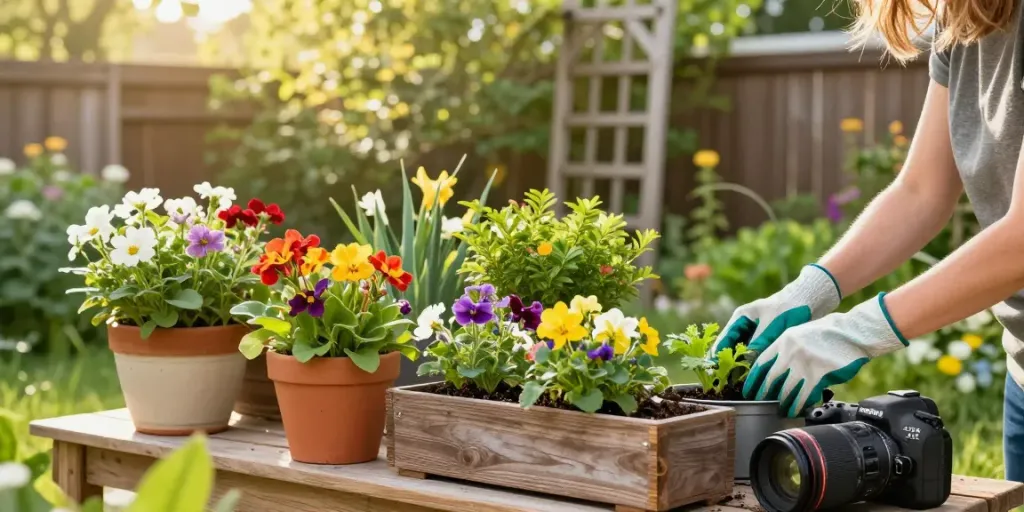
Understanding Garden Planters: Types and Uses
Garden planters are essential tools for any gardening enthusiast, providing a versatile way to cultivate plants in various environments. As urban living becomes more common, the demand for effective gardening solutions has risen, bringing garden planters into the spotlight. Whether you're a seasoned gardener or a beginner, understanding the different types of garden planters and their uses is critical to creating a thriving green space. When exploring options, garden planters can offer innovative solutions tailored to your specific needs.
Exploring Different Types of Garden Planters
Garden planters come in various shapes, sizes, and materials, allowing gardeners to choose the best fit for their space and plant varieties. Here are several common types:
- Raised Bed Planters: These are elevated gardens that offer better drainage and pest control, making them ideal for vegetable gardening.
- Traditional Pots: Available in many materials, such as terracotta, ceramic, and plastic, these pots are perfect for individual plants or smaller arrangements.
- Window Boxes: Attached to the exterior of buildings, these planters are great for herbs and flowers, enhancing aesthetics while maximizing limited space.
- Self-Watering Planters: These come with built-in reservoirs, which help maintain optimum moisture levels, reducing the need for frequent watering.
- Vertical Planters: Ideal for small spaces, these planters allow you to grow plants vertically, which can be a striking visual feature.
Choosing the Right Material for Your Planters
The material of your garden planters plays a significant role in the overall success of your gardening efforts. Here’s a breakdown of popular materials:
- Wood: Naturally insulating, wooden planters are aesthetically pleasing, but they can decay over time if not treated properly.
- Plastic: Affordable and lightweight, plastic planters come in various colors and sizes. However, they can heat up quickly in direct sunlight.
- Metal: Metals like galvanized steel are durable and provide a modern look but may conduct heat, affecting soil temperature.
- Ceramic: Heavier and more decorative, ceramic pots retain moisture well but can be expensive and fragile.
Best Uses for Various Garden Planters
Understanding how to effectively utilize different types of planters can enhance your garden's productivity:
- Herb Gardens: Use smaller pots or window boxes to grow herbs conveniently near your kitchen.
- Vegetable Gardening: Raised bed planters allow for deeper root systems and easier maintenance.
- Flower Displays: Arrange a variety of colors and types in traditional pots for an eye-catching display.
- Succulents and Cacti: Shallow planters with excellent drainage are ideal for these low-water plants.
Setting Up Your Garden Planters for Success
Proper setup is critical to ensuring your garden planters thrive. This section will guide you through the essentials for achieving success with your plantings.
Essential Tips for Planting in Planters
When planting in planters, consider the following tips:
- Drainage: Ensure your planters have drainage holes to prevent root rot.
- Spacing: Avoid overcrowding plants; follow spacing guidelines for each type.
- Layering: Add a layer of gravel or rocks to the bottom of the planter for enhanced drainage.
Soil Types and Amendments for Optimal Growth
Choosing the right soil mixture is crucial for healthy plants. Here are some recommendations:
- Potting Soil: Use a high-quality potting mix specifically designed for container gardening.
- Compost: Adding compost enriches the soil with nutrients.
- Perlite or Vermiculite: These materials help aerate the soil, improving drainage and root health.
Watering Techniques for Container Plants
Watering is an essential practice for successful container gardening. Follow these techniques for best results:
- Consistent Schedule: Develop a regular watering routine but adjust based on weather conditions.
- Check Moisture Levels: Use your finger or a moisture meter to determine if the soil is dry before watering.
- Water Thoroughly: Ensure water reaches the roots by saturating the soil evenly.
Choosing the Perfect Location for Your Garden Planters
The location of your garden planters affects their growth. Selecting the right spot ensures that your plants receive adequate sunlight and protection from harsh weather conditions.
Light Requirements for Outdoor Planters
Different plants have varying light requirements. It is essential to understand these needs:
- Full Sun: Plants like tomatoes and peppers thrive in six hours or more of sunlight daily.
- Partial Shade: Many herbs and leafy greens prefer dappled sunlight.
- Full Shade: Some plants, such as ferns and hostas, flourish in low-light conditions.
Wind Protection and Drainage Considerations
Wind can damage plants, especially in exposed areas. Consider these strategies:
- Windbreaks: Use fences or hedges to shield planters from strong winds.
- Drainage: Place planters on slightly elevated surfaces to allow for proper drainage.
Creating a Cohesive Garden Design with Planters
When integrating garden planters into your outdoor space, ensure they complement your existing landscape:
- Color Coordination: Select planters that harmonize with your home's exterior.
- Consistent Materials: Use similar materials for a uniform look.
- Varying Heights: Incorporate planters of different heights to add visual interest.
Maintaining Your Garden Planters: Best Practices
Ongoing maintenance is essential for the longevity of your garden planters. These best practices will help you keep your plants healthy.
Seasonal Care & Maintenance for Longevity
To ensure your planters remain in optimal condition season after season, consider the following:
- Seasonal Plant Rotation: Change out plants based on seasonal growth patterns.
- Cleaning: Regularly clean pots to prevent disease and pests.
- Fertilizing: Incorporate slow-release fertilizers to nourish plants throughout the growing season.
Common Problems and Solutions in Planter Gardening
Identifying issues early on can save your plants. Here are common problems and remedies:
- Pests: Use organic pest control methods like neem oil or insecticidal soap.
- Root Rot: Ensure proper drainage and avoid overwatering to prevent this issue.
- Fungal Diseases: Remove affected leaves and ensure proper air circulation to combat fungi.
How to Refresh and Replant Your Garden Planters
Refreshing your planters not only enhances aesthetics but also supports plant health:
- Remove Old Soil: Replace old soil to refresh nutrients.
- Inspect Roots: Trim any unhealthy roots before replanting.
- Add New Plants: Choose plants that will thrive in current conditions.
The Trends in Garden Planters for 2026 and Beyond
As gardening continues to evolve, new trends emerge that cater to modern lifestyles and environmental concerns.
Innovative Planter Designs Worth Noting
Designs that captivate and offer functional benefits are increasingly popular. Examples include:
- Modular Planters: These provide flexibility and can be rearranged to suit changing spaces.
- Smart Planters: Equipped with technology, these planters monitor moisture and nutrient levels.
Eco-Friendly Materials and Sustainability Trends
In line with growing environmental awareness, many gardeners are gravitating towards eco-friendly options:
- Recycled Materials: Planters made from recycled plastics or metals are gaining popularity.
- Biodegradable Pots: Options made from natural fibers allow for seamless planting while minimizing waste.
Future Predictions for Urban Gardening and Planters
Urban gardening is set to become more prevalent, driven by a desire for green spaces in metropolitan areas:
- Community Planter Initiatives: Local governments may increase support for shared gardening spaces.
- Vertical Gardening Solutions: As space becomes tighter, vertical planters will become a staple in urban settings.
What Should You Look for in Durable Garden Planters?
Choosing durable garden planters requires considering several factors:
- Material Durability: Look for materials designed to withstand outdoor elements.
- Weather Resistance: Select UV-resistant planters to prevent fading and cracking.
How Can DIY Garden Planters Save You Money?
Creating your own planters can be budget-friendly and satisfying:
- Reusing Materials: Repurposing old containers can create unique, cost-effective planters.
- Custom Sizes: DIY allows you to create planters that fit your exact needs and space.