
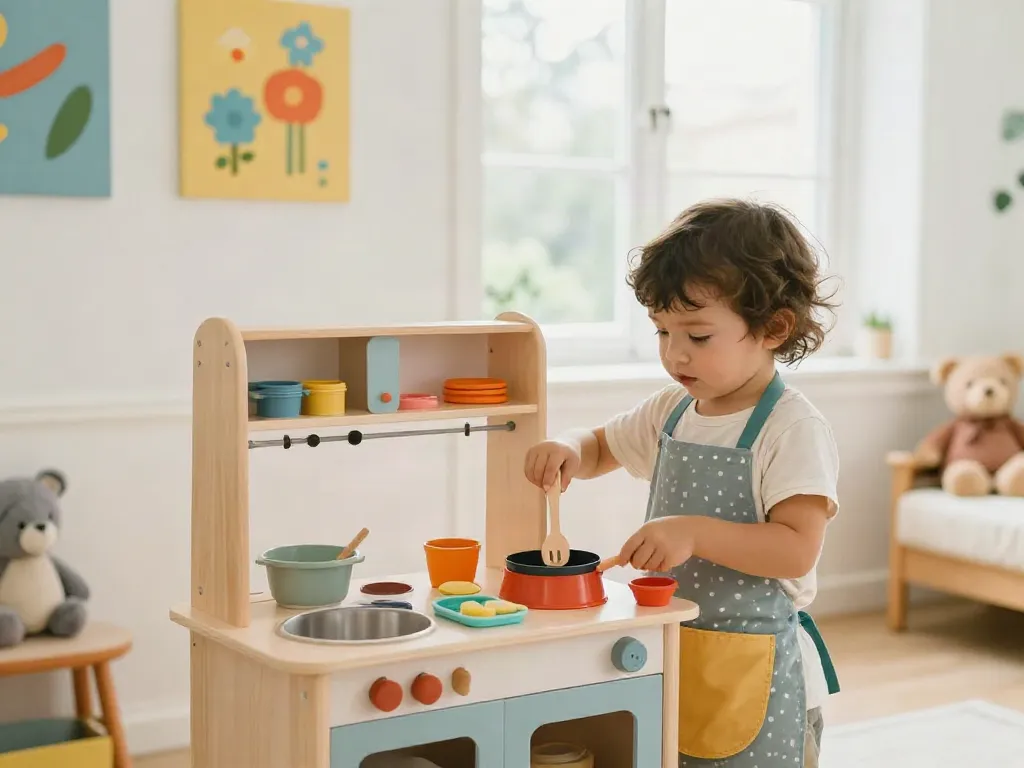
Understanding the Benefits of a Toy Kitchen
In today's increasingly interactive world, a toy kitchen stands out as more than just a playful addition to a child's playroom; it represents a gateway to creativity, social skills, and cognitive development. These imaginative playsets provide children with a unique environment to explore their creativity, mimic adult behaviours, and learn valuable skills. Understanding the multifaceted benefits of toy kitchens can help parents and caregivers choose the most appropriate options for fostering their child’s growth.
Why Toy Kitchens Foster Creativity?
Toy kitchens act as a blank canvas for creativity, inviting children to invent recipes, create menus, and perform role plays that mimic real-life cooking scenarios. With their vibrant colours and engaging features, these sets encourage imaginative play, allowing children to experiment with different scenarios. Whether they’re preparing a fancy dinner or hosting a tea party, the essence of creativity is infused in every role they take on. This creative expression is crucial in developing problem-solving skills and boosting self-confidence as children learn to articulate their ideas through play.
Developing Social Skills through Pretend Play
Engaging with a toy kitchen is not just about cooking; it’s also about collaboration. When children play together, they learn to communicate, negotiate, and collaborate, essential skills that lay the foundation for future relationships. They may take turns being the chef or the customer, thus learning the importance of sharing and cooperation. These social interactions help develop empathy as they role-play different characters, thereby enhancing their emotional intelligence and understanding of social dynamics.
Enhancing Motor Skills with Interactive Playsets
Playing with a toy kitchen requires various physical interactions, from stirring pots and flipping pancakes to arranging play food on shelves. These actions help enhance fine motor skills, which are critical for tasks such as writing and everyday self-care. The practice of manipulating utensils and food items improves hand-eye coordination and dexterity. Furthermore, as they set up their kitchens, children learn about spatial awareness and organisational skills, contributing positively to their overall development.
Choosing the Right Toy Kitchen for Your Child
With a multitude of options available in the market, selecting the perfect toy kitchen for your child can be an overwhelming task. It's essential to consider several factors that can help customise the toy kitchen experience to fit your child's needs and your home environment.
Factors to Consider: Size and Space Requirements
Before purchasing a toy kitchen, assess the available space in your home. Consider whether the kitchen will be placed in a playroom, bedroom or living area. Toy kitchens come in various sizes, from compact corner units to expansive sets equipped with multiple functions. Ensure that there is enough room for your child to play comfortably without overcrowding the area. Additionally, consider the height of the kitchen; it should be accessible to your child, promoting easier interaction during playtime.
Material Choices: Wooden vs Plastic Toy Kitchens
The material of a toy kitchen can significantly affect its durability, appearance, and play experience. Wooden toy kitchens are often considered more aesthetically pleasing and sturdy, offering a classic look that can withstand years of play. They are typically better for imaginative play due to their realistic appearance. However, plastic kitchens are lightweight and often come with electronic features such as lights and sounds, appealing to kids who enjoy a more interactive experience. Balancing durability with the type of play your child prefers will help in making the right choice.
Aesthetic Appeal: Themed Designs for Differentiated Play
The appearance and design of a toy kitchen can greatly influence a child's willingness to engage with it. Many manufacturers offer themed kitchens, from modern styles to traditional farmhouse designs. Some kitchens even incorporate elements from popular children's shows or books. Selecting a kitchen that aligns with your child’s interests can stimulate excitement and encourage more frequent play, enhancing the overall developmental benefits.
Maintaining Safety Standards in Toy Kitchens
Safety is paramount when selecting toys for children. Toy kitchens, while designed for fun, can also present potential hazards if not carefully chosen. It's critical to ensure that safety standards are met and that the kitchen is age-appropriate for your child.
Understanding Safety Ratings and Age Appropriateness
When choosing a toy kitchen, check for safety certifications such as ASTM or EN71, which indicate that the toy has been tested for harmful substances and sharp edges. Additionally, manufacturers usually provide age recommendations to guide consumers. Following these guidelines will help ensure a safer play experience for your child.
Identifying Potential Hazards in Toy Kitchens
Be aware of small parts that could pose choking hazards, especially for younger children. Ensure that any electronic components, such as lights or sounds, are securely encased and that they have sturdy batteries that cannot be accessed easily. Regularly inspect the kitchen for wear and tear, replacing any broken parts to maintain a safe play environment.
Best Practices for Safe Playtime
Encouraging supervised playtime can further enhance safety. Teach children to play gently, avoid throwing items, and keep small parts out of reach. Establishing rules about how to use the kitchen properly can prevent accidents and foster a respect for their play space.
Incorporating Educational Aspects into Play
While toy kitchens are fun, they can also serve as educational tools that provide opportunities for learning fundamental concepts through play. These kitchens can be instrumental in developing various cognitive and cultural skills.
Using Cooking Play to Teach Basic Math Skills
Cooking is inherently linked to mathematics, from measuring ingredients to dividing portions. Engage your child in discussions about quantities, fractions, and simple addition or subtraction as they play. For example, asking them how many cups of water it takes to fill a pot can spark a fun math lesson while cooking up their imaginary dish.
Engaging Kids in Role-playing Scenarios
Role-playing can bring various educational aspects to life. By acting out different scenarios—such as running a restaurant, planning a birthday party, or hosting a dinner—children can practice language skills, gain confidence in public speaking, and learn how to navigate social situations. This form of dramatic play is vital for developing critical thinking and storytelling abilities.
Integrating Cultural Diversity through Food Play
Cooking with a toy kitchen makes it easy to introduce children to global cuisines. Discuss different foods from various cultures, sharing stories or facts about each dish. This not only broadens their culinary knowledge but also nurtures a sense of curiosity and respect for diversity. Such interactions create a rich tapestry of learning experiences that extend beyond playtime.
Future Trends in Toy Kitchen Sets for 2026
The toy kitchen market is evolving, with innovations and trends that reflect changing consumer preferences and technological advancements. Staying ahead of these trends can help parents select toys that offer enhanced value.
Technological Innovations in Play Kitchens
As technology advances, toy kitchens are incorporating interactive features such as touch screens, Bluetooth connectivity, and augmented reality. These features can transform traditional play into a dynamic learning experience, teaching children about recipes, nutritional values, and cooking techniques in an engaging way. These innovative elements provide a new layer of fun and learning potential.
Eco-Friendly Materials: A Growing Demand
As sustainability concerns continue to rise, more manufacturers are shifting towards eco-friendly materials for toy kitchens. Parents are increasingly seeking out products made from sustainable wood or recycled plastics. These choices not only reduce environmental impact but also introduce children to the importance of sustainability from a young age.
Interactive Features: Learning through Play
Expect to see more toy kitchens equipped with interactive features that promote critical thinking and problem-solving. Features might include cooking tutorials or games that require players to follow recipes or complete challenges. Such interactive elements can make playtime educational, keeping children engaged while they develop essential skills.
What Accessories Can Enhance Toy Kitchen Experience?
Accessories play a vital role in expanding the functionality and enjoyment of toy kitchens. Items such as pots, pans, utensils, play food, and storage containers can enhance the realism of play. Consider adding themed sets that introduce new cuisines or seasonal foods for varied learning and play experiences.
How to Choose the Best Accessories for Your Toy Kitchen?
Select accessories based on their compatibility with the kitchen set you choose and your child's interests. For instance, if your child enjoys baking, look for accessory kits that include baking tools and ingredients. Ensure that the accessories are age-appropriate and safe to use.
What Age Group Benefits Most from Toy Kitchen Play?
Toy kitchens are beneficial for a wide age range, starting from toddlers through to early elementary school-aged children. Even young toddlers can engage in simple role-play, while older children can develop more complex storylines and cooking techniques. Understanding your child’s developmental stage will help in choosing the right kitchen set and accessories to maximise learning opportunities.